Step 1: Define the "work scenario" to avoid "using skills for a less important task" or "being unable to perform the task effectively".
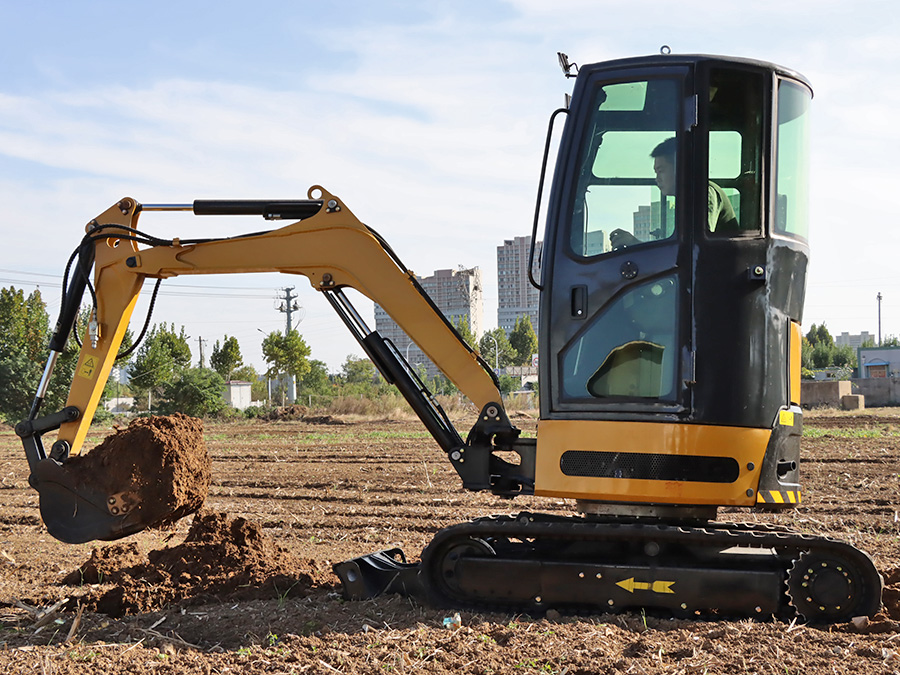
First, figure out where the equipment will be used: for example, choose a 3-5 ton tracked mini excavator for municipal pipeline excavation, a 1-2 ton electric mini loader for greenhouse operations, and a multi-functional garden tiller for rotary tillage in farmland. The more specific the scenario, the more precise the selection will be.
Step 2: Assess the "work intensity" and match the equipment's "load capacity".
Choose the appropriate model based on daily working hours and load weight: If you work for more than 8 hours a day and frequently move heavy goods (such as sand and gravel), choose a high-power, high-load model; if you work for 2-3 hours a day and do light-load work (such as garden tidying), choose a low-power, economical model to avoid waste.
Step 3: Consider the "usage environment" and customize an "adaptive design".
Pay attention to the impact of the environment on the equipment: Choose weather-resistant and corrosion-resistant models for high-temperature and high-humidity areas (such as Southeast Asia), choose low-temperature start-up and hydraulic oil antifreeze equipment for cold areas, and choose electric low-noise models for indoor or residential areas. Our company can provide customized modifications according to the user's location, such as installing palm plantation-specific buckets for Malaysian customers and optimizing low-temperature start-up systems for northern customers.
Step 4: Compare "after-sales guarantees" to avoid "no service after purchase".
Consultation within 15 minutes on weekdays, and a solution provided within 2 hours,Genuine parts guaranteed.Provide professional product usage guidance and technical problem solutions.


