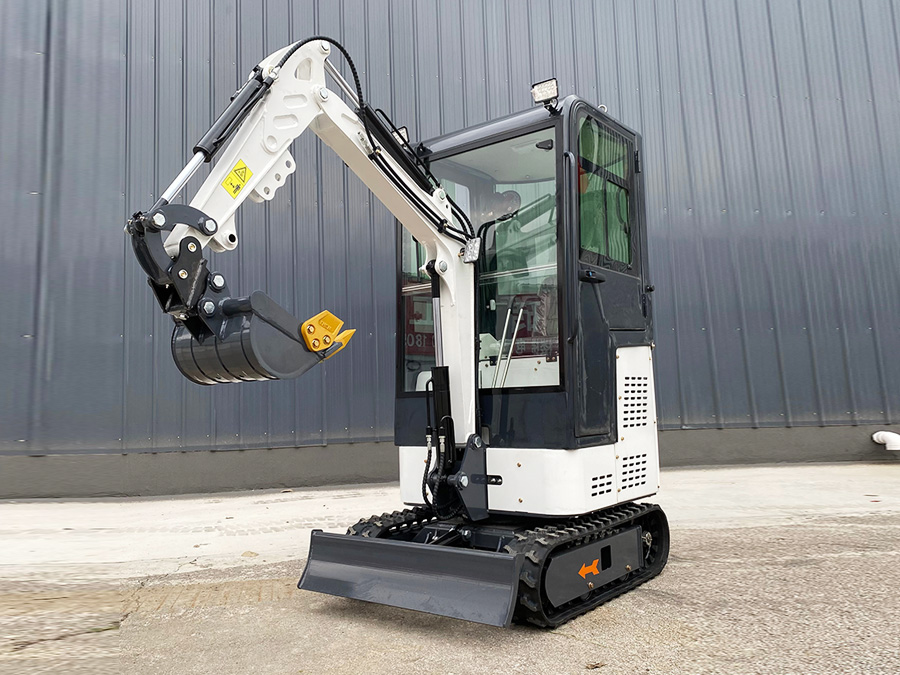
(I) Regularly inspect "vulnerable parts" and replace them in a timely manner to prevent malfunctions.
Regular inspections are required for vulnerable parts such as tracks, hydraulic lines, and filters: if tracks show cracks or worn teeth, they should be replaced promptly to prevent slippage; if hydraulic lines show signs of aging, they should be replaced immediately to prevent oil leaks; it is recommended to replace air filters and oil filters every 50-100 hours to ensure clean engine intake air and pure engine oil.
(II) Perform "seasonal maintenance" to adapt to environmental changes.
Targeted maintenance is required during seasonal transitions: Before the high temperatures of summer, check the hydraulic oil cooling system and add high-temperature compatible hydraulic oil; before the low temperatures of winter, change the antifreeze and low-temperature engine oil, check the battery charge, and avoid difficulty starting in low temperatures; before the rainy season, check the chassis anti-corrosion coating and repair worn parts to prevent rust.
(III) Standardize "operating habits" to reduce human-caused injuries.
Operators must operate according to regulations: avoid overloading (e.g., small excavators are prohibited from digging objects beyond their capacity), avoid sudden stops and turns that could damage the chassis, and clean up mud and debris from the equipment promptly after operation to keep the machine clean. These details can effectively reduce equipment failures.


