
Specific scope of application:
Municipal and Road Maintenance Scenarios
Trench cleaning and trimming: After the laying of water supply and drainage pipelines and communication optical cables in urban communities and rural areas, the bucket can be tilted to clean the scattered soil on both sides of the trench. It can also trim the trench slopes to ensure the trench is neat for subsequent pipeline laying and backfilling. Additionally, it can clean the silt and debris in road ditches and drainage channels to prevent water accumulation from affecting road traffic.
Pavement and surrounding improvement: During the maintenance of rural highways and community roads, the tilted bucket surface can trim the subgrade slopes or clean the gravel and waste residue at pavement damage points. It is also suitable for leveling the base soil during sidewalk renovation and fine-tuning the soil around manholes to avoid height differences on the pavement.
Landscape and Greening Scenarios
Terrain and landscape shaping: In the greening construction of parks and communities, the tilt angle can be used to create naturally undulating lawn terrains and flower bed slopes. It can also excavate the inclined lake banks of small artificial lakes, making the landscape shape more smooth and natural without repeatedly moving the excavator to adjust the position.
Planting auxiliary operations: In orchards and green belts, the bucket can be tilted to clean the fallen leaves and weeds around fruit trees and seedlings. It can also trim the soil slope around the tree basin to facilitate subsequent irrigation and fertilization. In large-area greening areas, it can level the planting soil layer to prepare for lawn laying and seedling planting.
Small-Scale Infrastructure and Home Decoration Courtyard Scenarios
Small building foundation construction: After the excavation of foundation pits for rural self-built houses, villa wall foundations, and small storage rooms, the bucket can be tilted to trim the foundation pit slopes to prevent soil collapse. At the same time, it can clean the scattered soil and rocks at the bottom of the foundation pit to ensure the flatness of foundation construction.
Courtyard renovation operations: When building sunrooms and rockeries in private courtyards, the tilt function can be used to finely adjust the foundation soil. When creating courtyard paths, it can trim the inclined slopes on both sides of the path or level the soil before courtyard hardening to improve construction precision.
Water Conservancy and Environmental Remediation Scenarios
Small water conservancy renovation: After the excavation of farmland irrigation ditches and sewage ditches in breeding sites, the bucket can be tilted to trim the ditch slopes to make water flow smoother. It can also clean the silt caking in the ditches to avoid ditch blockage affecting irrigation or sewage discharge.
Shoal and depression dredging: For shallow shoals of small urban rivers and landscape pools in parks, the bucket tilt can be used to clean the silt and sedimented debris at the bottom. It can also trim the pool wall slopes, balancing dredging efficiency and operation safety while avoiding damage to surrounding landscape facilities.
Other Small-Scale Precision Operation Scenarios
Small construction site backfilling and leveling: During the site backfilling stage after the construction of small-scale construction projects, the bucket can be tilted to evenly spread the backfill soil. It is especially suitable for soil leveling in narrow areas, avoiding operation dead ends where large-scale equipment cannot enter.
Loose material loading: When dealing with loose materials such as sand, soil, and broken branches, the bucket can be tilted to adjust the angle, allowing the materials to quickly slide into transport trolleys. It is suitable for short-distance transportation of materials in small-scale sites, improving loading efficiency and reducing material scattering.


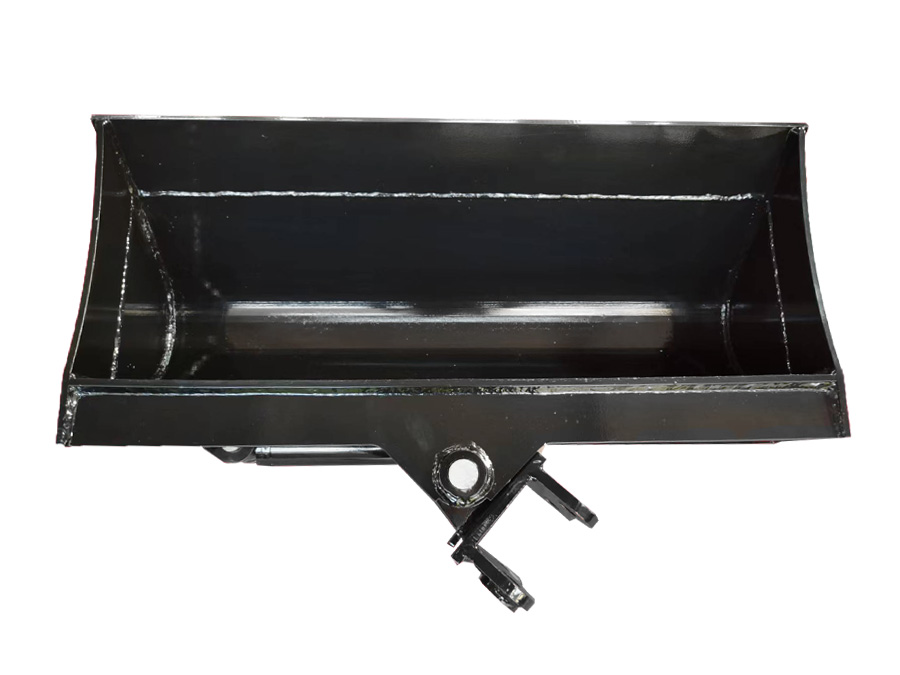
 TN08 Mini Excavator
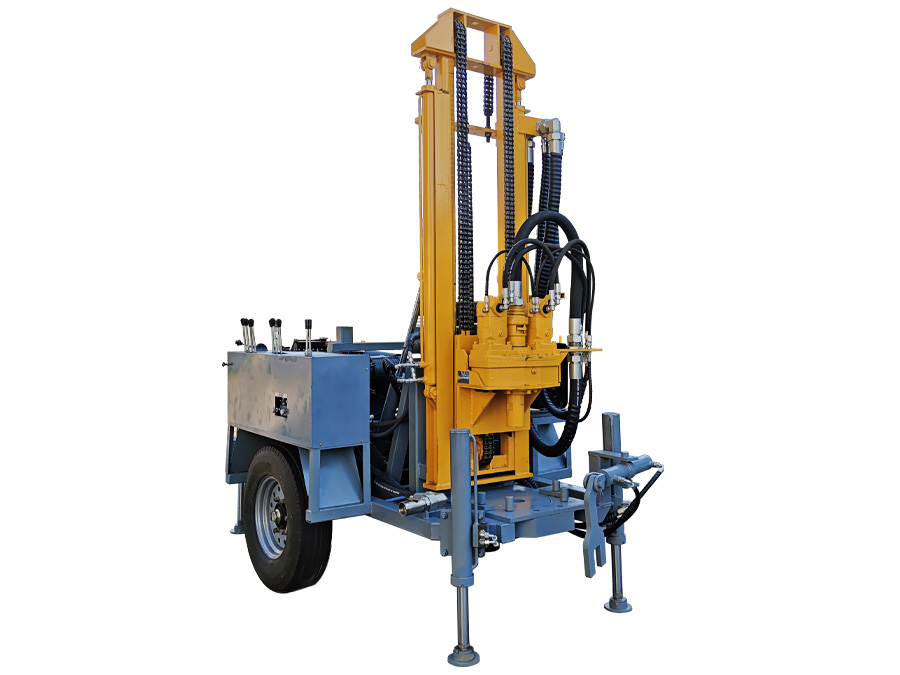 TNT-260 Wheeled Water Well Dri
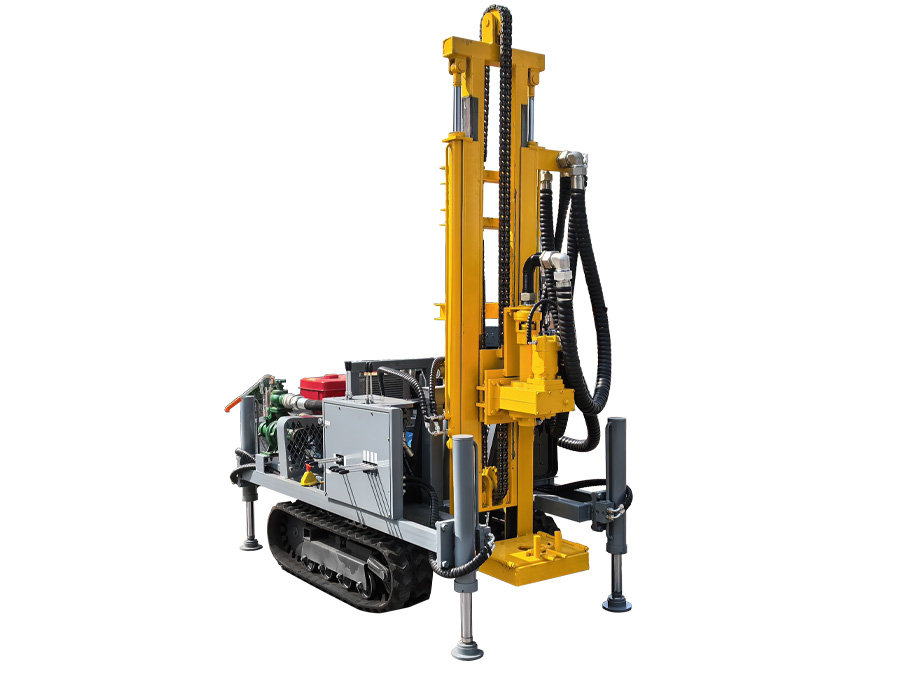 JSC-200 Crawler Water Well Dri
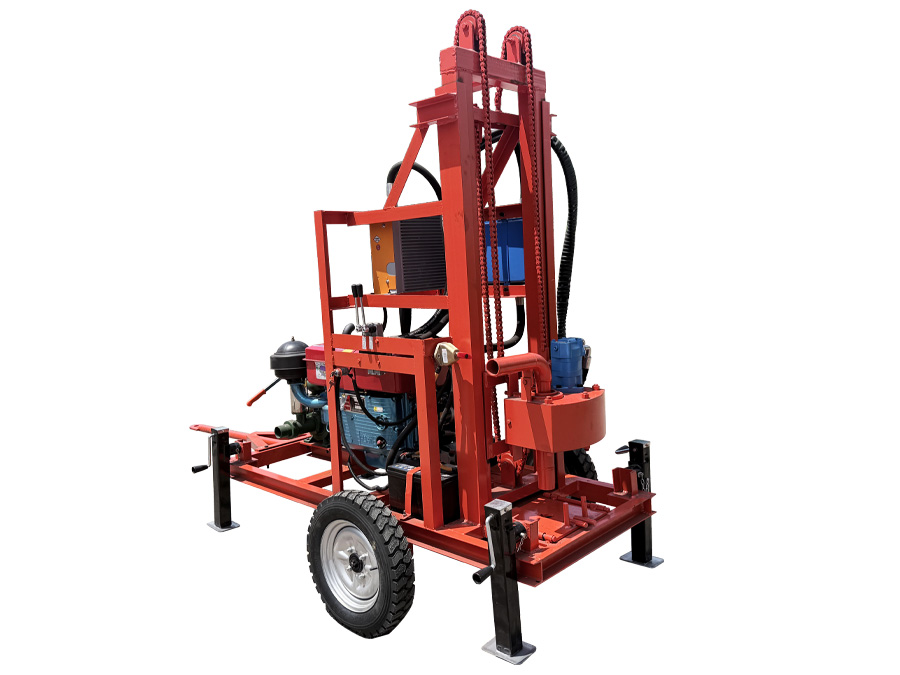 TNL-200 Wheeled Water Well Dri